
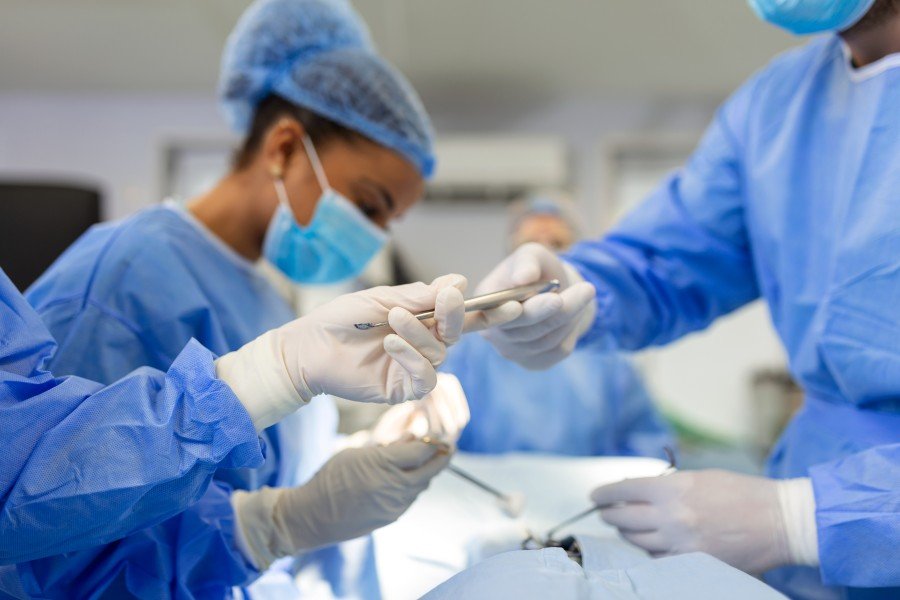
Gynaecological problems can affect women at different stages of life, from painful periods and ovarian cysts to fibroids and endometriosis. While medicines may manage some conditions, others may require surgery. A Laparoscopic Gynaecological Surgeon in Gurugram can assess whether minimally invasive surgery is appropriate and recommend treatment based on the condition, symptoms, medical history, and future fertility plans. Laparoscopic surgery uses small abdominal incisions and a camera to allow the surgeon to examine and treat problems inside the pelvis. Compared with traditional open surgery, it can offer smaller incisions and a potentially quicker recovery for appropriately selected patients.
For more information, and a direct connection with us on WhatsApp.
You may consider consulting Dr. Monika Bhatia when conditions such as fibroids, endometriosis, ovarian cysts, ectopic pregnancy, or certain pelvic problems require surgical treatment. A specialist can evaluate your symptoms and recommend whether laparoscopy, another minimally invasive procedure, medication, or alternative treatment would be most suitable.
What Is Laparoscopic Gynaecological Surgery?
Laparoscopic gynaecological surgery is a minimally invasive approach used to diagnose or treat several conditions affecting the uterus, ovaries, fallopian tubes, and surrounding pelvic structures.
Instead of making one large abdominal incision, the surgeon generally makes a few small openings. A laparoscope, which contains a camera and light, provides a magnified view of the pelvic organs. Special surgical instruments can then be used through additional small incisions when treatment is required.
Importantly, laparoscopy does not suit every patient or every condition. A gynaecologist evaluates the individual circumstances before recommending surgery.
When Should You Consult a Laparoscopic Gynaecological Surgeon in Gurugram?
Persistent or worsening symptoms deserve proper evaluation. You may benefit from a specialist consultation if you experience:
- Severe or recurring pelvic pain
- Very heavy or prolonged menstrual bleeding
- Pain during sexual intercourse
- Persistent lower abdominal discomfort
- Repeated ovarian cysts
- Difficulty conceiving
- Symptoms associated with endometriosis
- Fibroids causing significant symptoms
- A suspected ectopic pregnancy or other pelvic condition requiring urgent assessment
However, these symptoms do not automatically mean that you need laparoscopic surgery. A detailed examination and appropriate investigations help determine the underlying cause.
Conditions Commonly Treated With Laparoscopy
Fibroids
Uterine fibroids are non-cancerous growths that can develop in or around the uterus. Depending on their size, number, location, and symptoms, they may cause heavy periods, pelvic pressure, pain, or fertility concerns.
In selected cases, laparoscopic myomectomy can remove fibroids while preserving the uterus. The appropriate treatment depends on factors such as the fibroid’s location and the patient’s reproductive plans.
Endometriosis
Endometriosis occurs when tissue similar to the lining of the uterus grows outside the uterus. It can contribute to pelvic pain, painful periods, pain during intercourse, and fertility difficulties.
Laparoscopy may help identify and treat endometriosis lesions in appropriately selected patients. Treatment planning should consider the severity of disease, symptoms, ovarian involvement, fertility goals, and previous treatments.
Ovarian Cysts
Many ovarian cysts resolve without treatment. However, larger, persistent, symptomatic, or suspicious cysts may require further assessment.
When surgery becomes necessary, laparoscopy may be considered in suitable cases. The surgeon evaluates the cyst’s appearance, size, symptoms, and other clinical findings before choosing the surgical approach.
Ectopic Pregnancy
An ectopic pregnancy occurs when a pregnancy develops outside the main cavity of the uterus, most commonly in a fallopian tube. It can become a medical emergency if the tube ruptures.
Depending on the patient’s condition and other factors, treatment may involve medication or surgery. Laparoscopic surgery can be used in appropriate surgical cases. Severe abdominal pain, fainting, dizziness, or heavy bleeding during early pregnancy requires urgent medical attention.
What Are the Potential Benefits of Laparoscopic Surgery?
For suitable patients, minimally invasive gynaecological surgery can provide several advantages compared with conventional open procedures.
Potential benefits may include:
- Smaller surgical incisions
- Less abdominal tissue disruption
- Reduced postoperative discomfort in many cases
- Shorter hospital stays for many procedures
- Earlier return to normal activities
- Smaller scars
The exact recovery period varies considerably. The type and complexity of surgery, overall health, age, previous abdominal operations, and individual healing can all influence recovery.
Therefore, it is better to discuss expected outcomes with your surgeon rather than assuming that every laparoscopic procedure has the same recovery timeline.
How Is the Right Treatment Decided?
Choosing surgery should involve more than simply identifying a condition. Your gynaecologist may review your symptoms, medical history, previous treatments, fertility plans, examination findings, and diagnostic tests.
Depending on the situation, investigations may include ultrasound, blood tests, pregnancy testing, MRI, or other assessments.
Your doctor may then discuss several options, such as:
- Observation and regular monitoring
- Medication
- Hormonal treatment
- Minimally invasive surgery
- Conventional surgery
- Other condition-specific treatments
This personalised approach helps balance symptom relief, safety, reproductive goals, and long-term health.
What to Expect During a Consultation
A consultation with a Laparoscopic Gynaecological Surgeon in Gurugram typically begins with a discussion about your symptoms and medical history.
It is useful to bring previous ultrasound or scan reports, laboratory results, medication details, and information about earlier surgeries. You should also mention your menstrual pattern, pregnancy history, fertility plans, allergies, and any ongoing medical conditions.
Before surgery, ask practical questions such as:
- Why is surgery recommended?
- Are there non-surgical alternatives?
- What type of laparoscopic procedure is planned?
- What are the potential risks?
- How long might recovery take?
- Could the procedure affect fertility?
- When can normal activities resume?
Clear communication helps you make an informed decision.
Choosing a Laparoscopic Gynaecological Surgeon in Gurugram
When selecting a specialist, consider the surgeon’s qualifications, experience with the relevant procedure, hospital facilities, surgical safety practices, and approach to patient counselling.
Experience with minimally invasive gynaecological procedures matters because different conditions require different surgical techniques. Equally important is a willingness to explain why surgery is appropriate and what alternatives exist.
For women living in Gurugram and nearby areas of Delhi NCR, choosing a conveniently located specialist can also make consultations, investigations, and follow-up visits easier to manage.
Conclusion
Laparoscopic surgery can offer an effective minimally invasive treatment option for selected gynaecological conditions, including fibroids, endometriosis, ovarian cysts, and certain other pelvic problems. However, surgery is not automatically the best choice for every woman. A detailed evaluation helps determine whether medication, monitoring, laparoscopy, or another approach is more appropriate.
If persistent pelvic pain, heavy periods, fertility concerns, or a diagnosed gynaecological condition is affecting your daily life, consider discussing your options with a Laparoscopic Gynaecological Surgeon in Gurugram. A specialist consultation can help you understand your diagnosis, available treatments, potential risks, and expected recovery before making an informed healthcare decision.