Pregnancy does not always follow the same path for every mother. While vaginal birth is possible for many women, there are situations where a cesarean delivery may provide a safer option for the mother, baby, or both. Understanding when doctors recommend a Cesarean Section in Dwarka can help expecting parents make informed decisions and feel better prepared for delivery. A C-section is a major surgical procedure, so doctors generally recommend it when the expected benefits outweigh the potential risks of vaginal delivery. The decision depends on factors such as the baby’s position, placental location, maternal health, previous surgeries, fetal well-being, and how labour progresses.
A cesarean section may be recommended when vaginal delivery could pose significant risks to the mother or baby. Common reasons include placenta previa, certain abnormal fetal positions, fetal distress, some multiple pregnancies, previous uterine surgery, or labour that does not progress safely. Your obstetrician assesses your individual circumstances before recommending a C-section.
What Is a Cesarean Section?
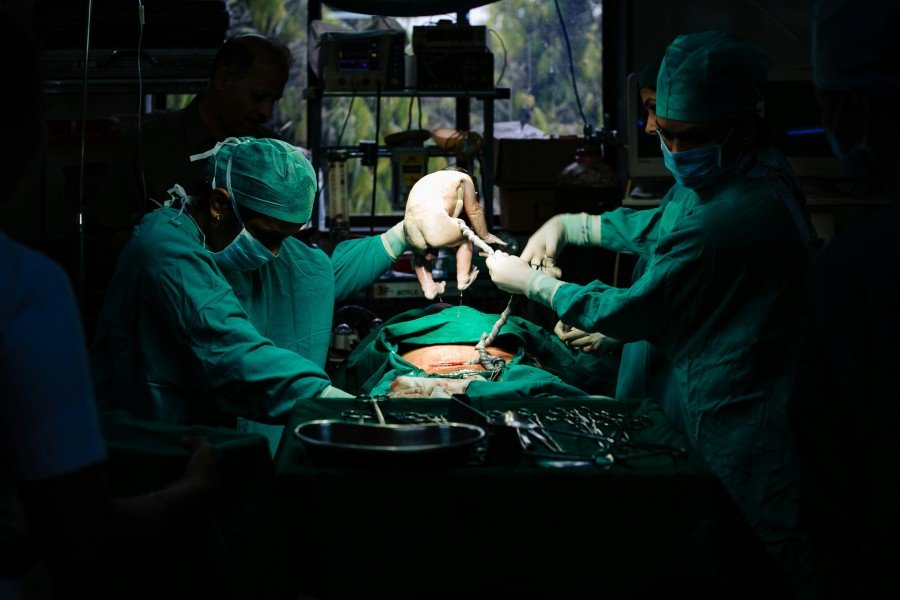
A cesarean section, commonly called a C-section, is a surgical method of delivering a baby through incisions made in the mother’s abdomen and uterus.
Doctors may plan the procedure before labour begins, known as a planned or elective C-section. In other situations, an unexpected complication during pregnancy or labour may require an emergency cesarean delivery.
Importantly, a C-section is not recommended simply because it is more convenient. Your obstetrician considers your medical history, pregnancy progress, test results, and the condition of your baby before making a recommendation.
When Is a Cesarean Section Recommended?
Several medical circumstances can make cesarean delivery a safer choice. However, the exact recommendation varies from one pregnancy to another.
1. Baby Is in an Abnormal Position
Most babies move into a head-down position before delivery. Sometimes, however, the baby remains breech, with the bottom or feet positioned downward, or lies sideways.
Depending on the baby’s position, gestational age, and other factors, your doctor may discuss whether vaginal birth is appropriate or whether a planned C-section would be safer.
2. Placenta Covers the Cervix
Placenta previa occurs when the placenta lies very low in the uterus and covers, or comes very close to, the cervix.
Because the placenta can obstruct the baby’s passage through the birth canal and may cause significant bleeding, doctors often recommend cesarean delivery when placenta previa persists close to delivery.
3. Signs of Fetal Distress
During labour, healthcare professionals monitor the baby’s heart rate and other signs of well-being.
If monitoring shows concerning changes that suggest the baby may not be receiving enough oxygen, the medical team may recommend prompt delivery. Depending on the circumstances, this may involve an emergency C-section.
4. Labour Does Not Progress Safely
Sometimes labour starts normally but does not progress despite appropriate management.
For example, the cervix may stop dilating, or the baby may not descend through the birth canal. Your doctor may recommend a C-section when continuing labour is unlikely to result in a safe vaginal delivery.
5. Certain Previous Uterine Surgeries
A previous C-section does not automatically mean that every future birth must be by cesarean. Some women may be candidates for VBAC (vaginal birth after cesarean).
However, the type of previous uterine incision, the reason for the earlier C-section, the number of previous surgeries, and the current pregnancy all matter. Your obstetrician can explain whether attempting a vaginal birth is suitable in your particular situation.
6. Certain Placental or Maternal Complications
Some pregnancy complications can increase risks during vaginal delivery. Severe pregnancy-related hypertension or other maternal conditions may sometimes require delivery sooner than planned.
In such situations, the doctor considers the mother’s health, baby’s condition, gestational age, and urgency before deciding on the safest method of delivery.
7. Multiple Pregnancy
Twin or higher-order pregnancies require careful planning because the babies may have different positions or other complications.
Vaginal delivery remains possible in some multiple pregnancies. However, depending on fetal positions, gestational age, placental factors, and maternal or fetal health, a cesarean may be recommended.
8. Certain Problems Affecting the Baby
Some fetal conditions may make vaginal delivery less suitable. The decision depends on the specific diagnosis and how delivery could affect the baby.
Your obstetrician may use ultrasound, fetal monitoring, and other assessments to understand the situation before recommending the safest delivery plan.
Planned vs Emergency C-Section
Understanding the difference can make the process less stressful.
Planned C-section: The procedure is scheduled in advance because a medical condition makes cesarean delivery the preferred option. Examples may include persistent placenta previa or certain fetal positions.
Emergency C-section: The need becomes apparent during pregnancy or labour. For instance, concerning fetal heart-rate changes or failure of labour to progress may require rapid delivery.
An emergency C-section does not necessarily mean that something went wrong because of a mistake. Pregnancy and labour can change quickly, and sometimes surgical delivery becomes the safest option.
How Your Doctor Decides If You Need a C-Section
Your obstetrician may consider several factors before recommending cesarean delivery, including:
- Baby’s position and estimated growth
- Placental location
- Maternal blood pressure and overall health
- Previous C-sections or uterine surgery
- Fetal heart-rate monitoring
- Progress of labour
- Multiple pregnancy
- Gestational age
- Other pregnancy-related complications
The recommendation should be individualized. If a C-section is suggested, do not hesitate to ask why it is needed, whether alternatives are appropriate, and what the expected benefits and risks are.
What to Discuss Before a Planned Cesarean
If your doctor recommends a planned C-section, preparation can make the experience more manageable.
Ask your healthcare team about:
- Why cesarean delivery is recommended
- The expected timing of delivery
- Anaesthesia options
- Hospital admission and preoperative instructions
- Pain management after surgery
- Wound care and activity restrictions
- Breastfeeding and newborn care
- Warning signs that require medical attention
- Expected recovery time
Your doctor may also provide specific instructions regarding eating, drinking, medications, and preoperative tests.
Recovery After Cesarean Delivery
A C-section requires more recovery time than an uncomplicated vaginal delivery because it involves abdominal surgery.
During recovery, follow your obstetrician’s instructions regarding wound care, movement, lifting, medications, and follow-up visits. Gentle movement can be encouraged after surgery, while strenuous activity should wait until your doctor considers it safe.
Seek medical advice promptly if you develop symptoms such as heavy bleeding, fever, worsening pain, redness or discharge from the incision, breathing difficulty, or other concerning changes.
Choosing the Right Obstetric Care in Dwarka
For expecting mothers looking for Cesarean Section in Dwarka, choosing an experienced obstetrician is about more than finding a hospital or doctor close to home.
Look for care that includes regular antenatal monitoring, clear communication, evidence-based decision-making, access to appropriate diagnostic facilities, and a delivery plan tailored to your pregnancy.
A good obstetrician should also explain why a C-section is being considered and help you understand what to expect before and after delivery.
Conclusion
A cesarean section can be an important and sometimes lifesaving method of delivery when vaginal birth presents significant risks. Conditions such as placenta previa, abnormal fetal position, fetal distress, certain previous uterine surgeries, multiple pregnancy, or stalled labor may lead your doctor to recommend surgical delivery. However, every pregnancy is different, and the decision should always be based on individual medical circumstances rather than assumptions. If you are considering Cesarean Section in Dwarka, discuss your pregnancy history, concerns, and delivery options with Dr. Monika Bhatia. Appropriate antenatal care and timely medical assessment can help you prepare confidently for a safe delivery.