
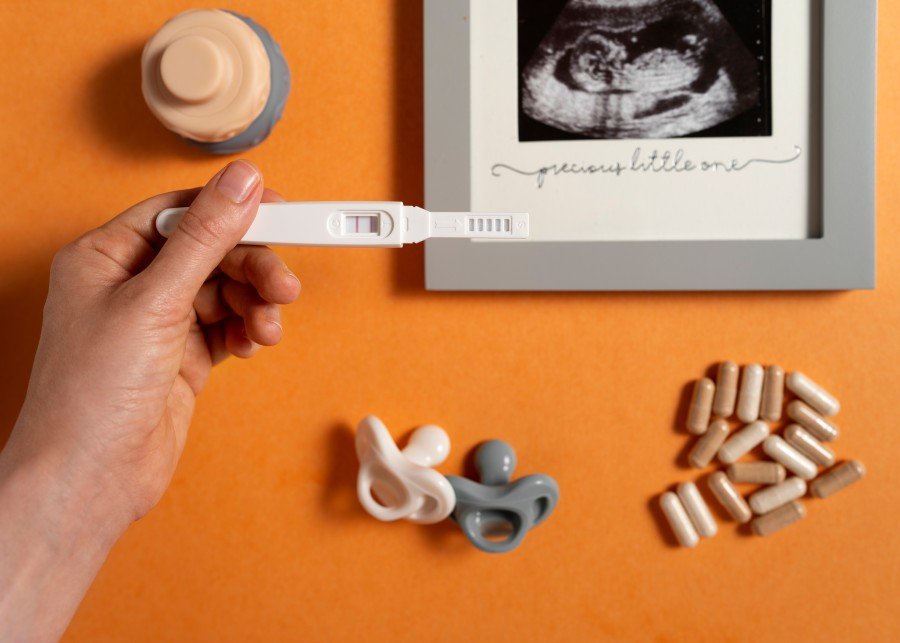
Male infertility can be difficult to discuss, especially when couples have been trying to conceive without success. However, fertility problems can affect either partner, and male factors contribute to infertility in a substantial proportion of couples. Seeking timely medical advice can help identify possible causes and appropriate treatment options. If you are looking for Infertility Treatment in Sector 55 Gurugram, understanding when to consult Dr. Monika Bhatia is an important first step.
For more information, and a direct connection with us on WhatsApp.
Male infertility should be evaluated when a couple has been unable to conceive after 12 months of regular, unprotected intercourse, or earlier when risk factors or reproductive concerns exist. Infertility Treatment in Sector 55 Gurugram may involve lifestyle changes, medical treatment, surgery, or assisted reproductive techniques, depending on the underlying cause.
What Is Male Infertility?
Male infertility refers to difficulty achieving pregnancy because of problems related to male reproductive health. These may involve sperm production, sperm movement, sperm quality, ejaculation, hormonal function, or structural conditions affecting the reproductive system.
Infertility is generally evaluated when a couple has not achieved pregnancy after 12 months of regular, unprotected intercourse. Earlier evaluation may be appropriate when there are known fertility risk factors or concerns about reproductive health.
When Should a Man Seek Fertility Evaluation?
You do not always need to wait a full year before speaking with a doctor. Consider an evaluation sooner if you have:
- A history of testicular injury or surgery
- Previous problems with the testes or reproductive organs
- Difficulty with erections or ejaculation
- A history of sexually transmitted infections
- Previous chemotherapy or radiation treatment
- Certain hormonal or medical conditions
- A history of fertility problems
- Concerns about sperm production or sexual function
Age can also influence fertility. Although male reproductive ageing differs from female reproductive ageing, sperm quality may change with increasing age.
If a couple has been trying to conceive for the recommended period without success, both partners should generally be evaluated rather than assuming the problem lies with one person.
Common Causes of Male Infertility
Male infertility can have several possible causes. Sometimes more than one factor contributes to difficulty conceiving.
Problems With Sperm
Semen analysis may identify a low sperm count, reduced sperm movement, or abnormalities in sperm shape. These findings can affect the likelihood of fertilisation.
A single semen test does not always provide the complete picture. Sperm production can vary, so doctors may recommend repeat testing depending on the initial results and clinical circumstances.
Hormonal Factors
Hormones help regulate sperm production and reproductive function. Problems involving testosterone or other reproductive hormones may interfere with fertility.
Certain medications, hormonal disorders, and other medical conditions can affect this system. Treatment depends on the underlying cause rather than simply addressing a laboratory result.
Varicocele
A varicocele is an enlargement of veins around the testicle. It is a relatively common condition and may be associated with abnormal semen parameters in some men.
Whether treatment is appropriate depends on factors such as symptoms, examination findings, semen analysis, and the couple’s fertility circumstances.
Lifestyle and Environmental Factors
Several lifestyle factors may influence reproductive health. These can include smoking, excessive alcohol consumption, obesity, use of recreational drugs, prolonged heat exposure, and some occupational exposures.
Improving overall health may support fertility, although lifestyle changes cannot correct every underlying cause of infertility.
What Happens During an Infertility Evaluation?
A fertility evaluation usually begins with a detailed medical and reproductive history. The doctor may ask about previous illnesses, medications, surgeries, lifestyle factors, sexual health, and the duration of attempts to conceive.
A physical examination may also be performed when appropriate.
Semen Analysis
Semen analysis is one of the most important initial tests for male infertility. It evaluates factors such as:
- Sperm concentration
- Sperm movement
- Sperm morphology
- Semen volume and other characteristics
Depending on the findings, further investigations may be considered. These can include hormone testing, scrotal ultrasound, genetic testing, or other specialised assessments in selected cases.
The appropriate tests depend on the individual’s history and examination. Not every patient requires every investigation.
What Does Infertility Treatment in Sector 55 Gurugram Involve?
Infertility Treatment in Sector 55 Gurugram should be based on the identified cause, the couple’s reproductive goals, the female partner’s fertility factors, and other individual considerations.
Treatment may involve lifestyle modifications, medical management, treatment of an underlying condition, or surgical intervention in selected situations. When natural conception remains difficult, fertility specialists may discuss assisted reproductive techniques such as intrauterine insemination (IUI) or in vitro fertilisation (IVF), depending on the circumstances.
The goal of an evaluation is not simply to identify an abnormal test result. It is to understand the overall fertility picture and select an appropriate next step.
Can Male Infertility Be Prevented?
Not every cause of male infertility can be prevented. However, maintaining general health and avoiding recognised reproductive risk factors can be helpful.
Practical steps include:
- Avoiding tobacco and recreational drugs
- Limiting excessive alcohol intake
- Maintaining a healthy body weight
- Managing chronic health conditions
- Reviewing medications with a qualified doctor
- Protecting the testes from significant injury
- Seeking medical advice for persistent reproductive or sexual concerns
It is important not to take testosterone or fertility supplements without professional guidance. External testosterone, in particular, can suppress sperm production in some men.
Why Early Evaluation Matters
Fertility is a shared concern, and delays in evaluation can sometimes postpone identification of treatable factors. A timely assessment can provide clarity about whether the issue relates to sperm production, hormonal function, reproductive anatomy, or another factor.
For couples in Gurugram, consulting a qualified fertility or reproductive-health specialist can help establish an appropriate evaluation plan. The right approach depends on both partners, so a comprehensive assessment is often more useful than focusing exclusively on male or female fertility.
Frequently Asked Questions
When should a man see a doctor for infertility?
A man should consider a fertility evaluation when a couple has not conceived after 12 months of regular, unprotected intercourse. Earlier assessment may be appropriate with testicular problems, previous reproductive surgery, sexual or ejaculation difficulties, certain medical treatments, or known fertility concerns.
What tests are used to diagnose male infertility?
Semen analysis is commonly one of the first investigations. Depending on the medical history and initial findings, a doctor may also recommend a physical examination, hormone tests, scrotal imaging, genetic testing, or other investigations. Testing should be tailored to the individual rather than performed routinely without clinical indication.
Can male infertility be treated without surgery?
Yes, some causes can be managed without surgery. Treatment may include addressing underlying medical or hormonal problems, changing certain lifestyle factors, or using appropriate fertility techniques. Surgery may be considered for selected structural conditions. The treatment depends on the cause and the couple’s overall reproductive circumstances.
Does low sperm count always mean a man cannot become a father?
No. A low sperm count does not automatically mean that natural conception or biological parenthood is impossible. Fertility depends on several factors, including sperm movement and quality, the severity and cause of the abnormality, and the fertility of the female partner. A specialist can help interpret the results.
Where can couples seek infertility treatment in Sector 55 Gurugram?
Couples can seek an evaluation from a qualified gynaecologist, fertility specialist, or reproductive-health professional in or around Sector 55 Gurugram. Because infertility can involve either partner, a comprehensive assessment of both individuals can help identify relevant factors and guide the next steps.
Conclusion
Male infertility can have many possible causes, from sperm-related problems and hormonal factors to varicocele, medical conditions, and lifestyle influences. Importantly, difficulty conceiving does not automatically mean that parenthood is impossible. A proper evaluation can help identify relevant factors and determine whether observation, medical treatment, surgery, or assisted reproductive techniques may be appropriate.
If you and your partner have been trying to conceive without success, consider seeking professional advice rather than delaying evaluation. Infertility Treatment in Sector 55 Gurugram should always be tailored to the individual’s medical findings and the couple’s reproductive goals. A consultation can provide clearer answers and help you understand the next appropriate step.