
A colposcopy is a diagnostic procedure that allows a gynaecologist to examine the cervix closely for abnormal areas. It is often recommended after an abnormal cervical screening result, such as certain Pap smear or HPV findings. If your doctor has advised a colposcopy, understanding the procedure beforehand can make the experience less stressful.
For women looking for Colposcopy in Sector 13 Dwarka, knowing when the procedure is needed, how it is performed, and what to expect afterward can help them make informed decisions about their cervical health.
What Is a Colposcopy?
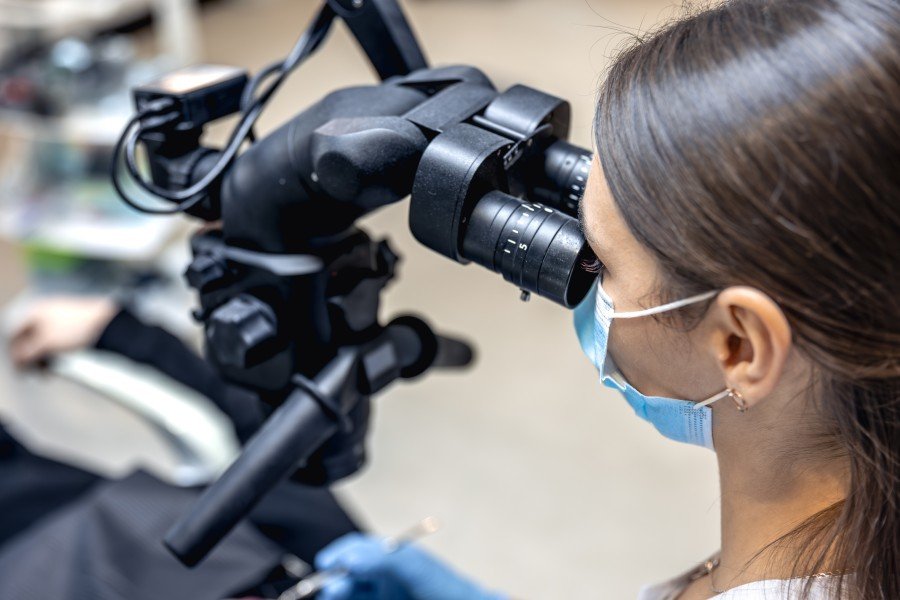
A colposcopy is a detailed examination of the cervix, vagina, and sometimes the vulva using a special magnifying instrument called a colposcope. The colposcope stays outside the body and helps the doctor identify areas of tissue that may require closer examination.
During the procedure, the doctor may apply special solutions to the cervix. These solutions can make abnormal cells easier to see. If an area looks unusual, the doctor may take a small tissue sample, known as a biopsy, for laboratory testing.
Importantly, a colposcopy does not automatically mean that you have cervical cancer. In many cases, it helps doctors investigate cellular changes at an early stage and determine whether further monitoring or treatment is necessary.
When Is a Colposcopy Recommended?
A gynaecologist may recommend colposcopy following certain abnormal cervical screening results. The exact reason depends on your screening history, HPV status, age, previous results, and other clinical factors.
Common reasons include:
- An abnormal Pap smear or cervical screening result
- Certain high-risk HPV findings
- Persistent HPV infection requiring further assessment
- Unusual changes noticed during a cervical examination
- Previous abnormal cervical cell changes
- Follow-up of previously identified cervical abnormalities
However, an abnormal screening result does not necessarily indicate cancer. Screening is designed to identify changes that may need closer evaluation before they become more serious.
Why Early Evaluation Matters
Cervical cell changes can develop gradually. Therefore, appropriate follow-up after an abnormal screening result can help identify concerning changes at an earlier stage.
If your healthcare provider recommends a colposcopy, it is generally better to discuss the reason for the recommendation rather than delaying follow-up because of fear or uncertainty.
What Happens During Colposcopy?
A colposcopy is usually performed as an outpatient procedure and generally does not require hospital admission.
Before starting, the doctor will explain the procedure and position you comfortably for the examination. A speculum is then gently inserted into the vagina to allow the cervix to be seen.
The doctor examines the cervix through the colposcope. A solution may be applied to highlight areas of abnormal tissue. If necessary, a small biopsy may be taken.
The procedure itself often takes around 15 to 30 minutes, although the overall appointment can take longer depending on the examination and whether additional samples are required.
You may experience mild pressure or discomfort from the speculum. If a biopsy is taken, you may notice a brief pinching sensation or cramping.
How Should You Prepare for a Colposcopy?
Usually, extensive preparation is not necessary. However, your doctor may advise you to avoid certain vaginal products or activities for a short period before the examination.
Depending on your circumstances, you may be advised to:
- Tell your doctor if you are pregnant or might be pregnant
- Inform the doctor about medicines you take, particularly blood-thinning medicines
- Avoid vaginal intercourse for a short period before the examination if advised
- Avoid using tampons or vaginal medications before the appointment if instructed
- Bring details of previous cervical screening results when available
If you are menstruating around the appointment date, ask the clinic whether you should keep or reschedule the appointment. The answer can depend on the amount of bleeding and the reason for the examination.
Is Colposcopy Painful?
Most women tolerate colposcopy well, although experiences vary.
The speculum can cause pressure or discomfort, particularly if you are anxious or have previously experienced painful pelvic examinations. A biopsy may cause a brief sharp sensation or mild cramping.
It can help to tell your doctor if you are nervous or have concerns about discomfort. Taking slow breaths and communicating throughout the examination may make the experience easier.
A colposcopy is generally considered a low-risk procedure, but your doctor can explain the potential risks based on whether a biopsy or another procedure is planned.
What Happens After a Colposcopy?
After the examination, you can usually return to your normal activities unless your doctor gives you different instructions.
If a biopsy was performed, light spotting, mild bleeding, or period-like cramps can occur for a short time. Your doctor may recommend avoiding certain activities temporarily while the cervix heals.
Seek medical advice if you experience heavy bleeding, severe or persistent pelvic pain, fever, or unusual vaginal discharge, particularly if symptoms are worsening.
Understanding Colposcopy Results
If a biopsy is taken, the tissue is examined by a pathologist. The result helps your doctor determine whether the cervical cells are normal, show minor changes, or require further management.
Depending on the findings, your doctor may recommend:
- Routine or closer cervical screening
- Repeat HPV or cervical testing
- Follow-up examination
- Further diagnostic assessment
- Treatment for significant cervical cell changes
The appropriate next step depends on the pathology report and your individual medical history.
Choosing Colposcopy Care in Sector 13 Dwarka
When looking for Colposcopy in Sector 13 Dwarka, focus on appropriate medical evaluation rather than choosing a service based only on convenience.
Consider whether the gynaecologist:
- Has appropriate training and experience in cervical health
- Explains why colposcopy has been recommended
- Reviews your previous screening and HPV results
- Clearly explains biopsy and follow-up procedures
- Provides appropriate guidance after the examination
- Encourages you to ask questions about your results and next steps
A comfortable consultation can also help you understand your options and reduce unnecessary anxiety.
When Should You Speak to a Gynaecologist?
Do not wait for symptoms if your doctor has recommended follow-up after an abnormal cervical screening result. Cervical cell changes may not cause noticeable symptoms.
You should also seek medical evaluation if you experience unusual vaginal bleeding, bleeding after intercourse, persistent unusual discharge, or pelvic symptoms. These symptoms can have many causes, so they do not automatically indicate a cervical abnormality. A gynaecologist can determine whether further examination is appropriate.
Colposcopy in Sector 13 Dwarka is a diagnostic examination used to closely inspect the cervix after certain abnormal cervical screening or HPV results. A doctor uses a colposcope to identify unusual tissue and may take a small biopsy. The procedure usually takes about 15–30 minutes and helps determine whether further monitoring or treatment is needed.
Frequently Asked Questions
What is the main reason for having a colposcopy?
A colposcopy is commonly recommended to investigate certain abnormal cervical screening or HPV results. It allows the gynaecologist to examine the cervix more closely and, when necessary, take a biopsy. An abnormal screening result does not automatically mean cancer; colposcopy helps determine whether cervical cell changes need monitoring or treatment.
How long does a colposcopy procedure take?
The examination itself often takes around 15–30 minutes, although the complete appointment may take longer. The duration depends on whether the doctor needs to take a biopsy or perform additional assessments. Your gynaecologist can explain what to expect based on your screening results and the reason for the procedure.
Can I go to work after a colposcopy?
Most women can return to their usual routine after a straightforward colposcopy. However, if a biopsy is performed, you may experience mild cramping or spotting afterward. Your doctor may recommend temporarily avoiding certain activities while the area heals. Follow the specific aftercare instructions provided by your healthcare professional.
Is a colposcopy painful?
A colposcopy usually causes some pressure or discomfort from the speculum rather than significant pain. If a biopsy is required, you may feel a brief pinch or cramp. Tell your doctor if you are anxious or uncomfortable during the examination so they can help you manage the experience as comfortably as possible.
Where can I get a colposcopy in Sector 13 Dwarka?
You can consult a qualified gynaecologist offering cervical evaluation and colposcopy services in or around Sector 13 Dwarka. Before booking, ask whether the doctor reviews your previous Pap smear and HPV results, explains the procedure clearly, and provides appropriate follow-up based on the findings.
Conclusion
A colposcopy can provide important information when cervical screening or HPV results require closer evaluation. Although the word “procedure” may sound worrying, understanding what happens before, during, and after the examination can make the experience more manageable. Most importantly, an abnormal screening result does not automatically mean cervical cancer; it means your doctor may need more information.
If you have been advised to undergo Colposcopy in Sector 13 Dwarka, discuss your screening results, concerns, and expected follow-up with Dr. Monika Bhatia. Timely evaluation and appropriate follow-up can help you make informed decisions about your cervical health.