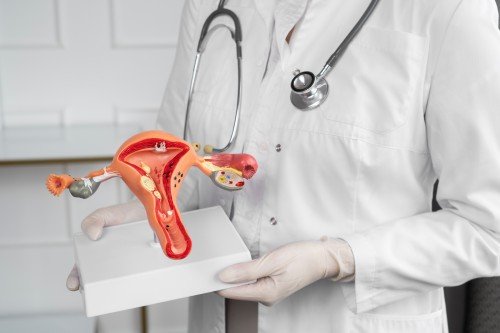
Ovarian cysts are fluid-filled sacs that develop in or on the ovaries. Many are harmless and disappear without treatment, but some require regular monitoring or surgery. If you are researching Ovarian Cysts Surgery in Sector 55 Gurugram, understanding the symptoms, diagnostic tests, treatment options, and recovery process can help you prepare for a consultation and make informed decisions about your reproductive health.
For more information, and a direct connection with us on WhatsApp.
Ovarian cyst treatment depends on the cyst’s size, appearance, symptoms, and whether it changes over time. Doctors may recommend observation, follow-up ultrasound scans, medication for specific symptoms, or surgery. When an operation is necessary, laparoscopic or open surgery may be considered according to the cyst’s characteristics and the patient’s individual health needs.
What Are Ovarian Cysts and Why Do They Develop?
Ovarian cysts are fluid-filled sacs that form within or on an ovary. They are common during the reproductive years and often develop as part of the menstrual cycle. Functional cysts, including follicular cysts and corpus luteum cysts, frequently resolve on their own.
Other types include endometriomas, which are associated with endometriosis, and dermoid cysts, which can contain different types of tissue. Some cysts develop as part of conditions such as polycystic ovary syndrome (PCOS), although the small follicles associated with PCOS are not the same as a single ovarian cyst.
Most ovarian cysts are non-cancerous. However, a cyst’s appearance, persistence, size, and symptoms help doctors decide whether further investigation is needed.
Common Symptoms of Ovarian Cysts
Small ovarian cysts may cause no noticeable symptoms. Larger cysts or those that cause complications may lead to:
- Pain or pressure in the lower abdomen or pelvis
- Bloating or a feeling of abdominal fullness
- Pain during sexual intercourse
- Changes in menstrual patterns
- Frequent urination or difficulty emptying the bladder
- Discomfort during certain physical activities
These symptoms can also occur with other gynaecological or urinary conditions. Therefore, a medical assessment is important rather than assuming that an ovarian cyst is the cause.
Seek emergency medical care if you experience sudden, severe pelvic pain, especially with vomiting, fever, dizziness, fainting, or heavy bleeding. These symptoms may indicate ovarian torsion, cyst rupture, internal bleeding, or another urgent condition.
How Are Ovarian Cysts Diagnosed?
Accurate diagnosis helps determine whether monitoring or treatment is appropriate. A gynaecologist may recommend the following assessments.
1. Medical history and physical examination
The doctor may ask about your menstrual cycle, pain, pregnancy possibility, previous ovarian cysts, medications, and relevant family history. A pelvic examination may also be considered.
2. Pelvic ultrasound
Ultrasound, often performed transvaginally when appropriate, helps assess the cyst’s size, location, contents, and appearance. These features can help distinguish simple fluid-filled cysts from complex masses that need closer evaluation.
3. Blood tests
Blood tests may be recommended depending on the ultrasound findings and individual risk factors. For example, CA-125 may be considered in certain circumstances, but it is not a standalone test for ovarian cancer. Levels can rise for several non-cancerous reasons, particularly before menopause.
4. Additional investigations
A pregnancy test may be necessary when pregnancy is possible. Doctors may also request an MRI or other investigations if ultrasound findings are unclear or suggest a need for further assessment.
When Is Ovarian Cyst Surgery Necessary?
Not every ovarian cyst needs surgery. Doctors may recommend monitoring with repeat ultrasound scans when a cyst looks benign, causes few symptoms, and is likely to resolve naturally.
Surgery may be considered when a cyst:
- Causes persistent or significant pain
- Continues to grow or does not resolve as expected
- Has a complex or suspicious appearance on imaging
- Is associated with complications or a significant risk of complications
- Requires removal for a definitive diagnosis
Age, menopausal status, fertility plans, medical history, and the possibility of malignancy all influence the treatment decision. If cancer is suspected, referral to an appropriate specialist is important before planning surgery.
Types of Ovarian Cyst Surgery
The recommended procedure depends on the cyst’s size, type, location, and risk assessment.
Laparoscopic ovarian cystectomy
Laparoscopy is a minimally invasive procedure in which the surgeon uses a camera and small abdominal incisions to remove the cyst. When appropriate, an ovarian cystectomy removes the cyst while preserving as much healthy ovarian tissue as possible.
Potential advantages include smaller incisions and a shorter recovery than open surgery in many cases. However, suitability depends on the individual case, and no operation is entirely risk-free.
Open surgery
Open surgery involves a larger abdominal incision. A doctor may recommend this approach for a very large mass, concerning imaging findings, technical reasons, or situations where safe removal requires wider access.
In some cases, removing the affected ovary may be necessary. The surgeon should explain the expected procedure, alternatives, fertility implications, and whether specialist support is needed.
Risks and Possible Complications
Ovarian cyst surgery is commonly performed, but potential risks include bleeding, infection, blood clots, injury to nearby organs, complications from anaesthesia, and the possibility of needing additional treatment.
Other considerations include damage to healthy ovarian tissue, reduced ovarian reserve in some circumstances, recurrence of certain cysts, and unexpected findings during surgery. The likelihood of these outcomes varies according to the cyst and the procedure.
Before surgery, ask your gynaecologist about the expected benefits, individual risks, fertility preservation, and whether the cyst can be removed while retaining the ovary.
Recovery Time After Ovarian Cyst Surgery
Recovery varies with the procedure, the cyst’s characteristics, and your general health.
After uncomplicated laparoscopic surgery, some people resume light daily activities within several days and return to work in approximately one to two weeks. Full recovery may take longer. Open surgery often requires several weeks, sometimes around four to six weeks or more, before a return to normal activities.
Your doctor may advise you to:
- Take prescribed medicines as directed.
- Keep incision sites clean and follow wound-care instructions.
- Walk gently as recommended to support recovery.
- Avoid strenuous exercise, heavy lifting, and sexual activity until cleared.
- Attend follow-up appointments and review any pathology results.
Contact your healthcare team if pain worsens, a wound becomes increasingly red or swollen, or you develop a fever. Severe pain, fainting, breathing difficulty, or heavy bleeding requires urgent medical assessment.
Choosing Ovarian Cyst Care in Sector 55 Gurugram
When considering Ovarian Cysts Surgery in Sector 55 Gurugram, look for a qualified gynaecologist who explains the diagnosis clearly and discusses both surgical and non-surgical options. Ask about experience with the proposed procedure, ovarian preservation, anaesthesia, expected recovery, follow-up arrangements, and the availability of additional specialist care if required.
Women in Sector 55 and nearby Gurugram neighbourhoods can prepare for a consultation by carrying previous ultrasound reports, a list of medicines, menstrual history, and details of their symptoms. These records help the doctor assess the situation and recommend an individualised plan.
Frequently Asked Questions
1. Can ovarian cysts disappear without surgery?
Yes. Many functional ovarian cysts disappear naturally within a few menstrual cycles. Depending on the cyst’s appearance, symptoms, and your age, a doctor may recommend observation and repeat ultrasound scans. Persistent, growing, painful, or suspicious cysts may need further investigation or surgical treatment.
2. Is laparoscopic ovarian cyst surgery safe?
Laparoscopic surgery is generally considered an established option for appropriately selected patients. It may offer smaller incisions and faster recovery than open surgery, but it carries risks such as bleeding, infection, injury to nearby organs, and damage to ovarian tissue. Your surgeon can explain the risks specific to your case.
3. How long does it take to recover from ovarian cyst surgery?
After uncomplicated laparoscopy, many patients resume light activities within several days and return to work in about one to two weeks. Open surgery usually requires a longer recovery, often several weeks. Your recovery may differ depending on the procedure, complications, job demands, and your overall health.
4. Can ovarian cyst surgery affect fertility?
It can, although many patients retain their ability to conceive after surgery. The effect depends on the cyst type, the amount of healthy ovarian tissue preserved, whether one or both ovaries are affected, and any underlying condition such as endometriosis. Discuss fertility goals with your gynaecologist before surgery.
5. Where should I consult for ovarian cyst treatment in Sector 55 Gurugram?
Choose a qualified gynaecologist who can assess your symptoms, review ultrasound findings, and explain suitable treatment options. When considering a consultation in Sector 55 Gurugram, confirm the doctor’s qualifications, the facility’s surgical capabilities, and the availability of appropriate follow-up care. Sudden severe pelvic pain requires emergency assessment rather than a routine appointment.
Conclusion
Ovarian cysts vary in size, type, and severity, so the right treatment depends on an accurate diagnosis and individual medical needs. While many cysts resolve without surgery, persistent pain, changing ultrasound findings, or suspected complications may require further investigation or an operation. Understanding the procedure, possible risks, fertility considerations, and recovery expectations can help you prepare for a meaningful discussion with your doctor. If you are considering Ovarian Cysts Surgery in Sector 55 Gurugram, arrange a consultation with Dr. Monika Bhatia to review your symptoms and scan reports and discuss suitable treatment options. Seek emergency care for sudden, severe pelvic pain rather than waiting for a routine appointment.